Why Safety Protocols are Your Best Defense Against Legal Issues in Australia

Importance of Safety Protocols
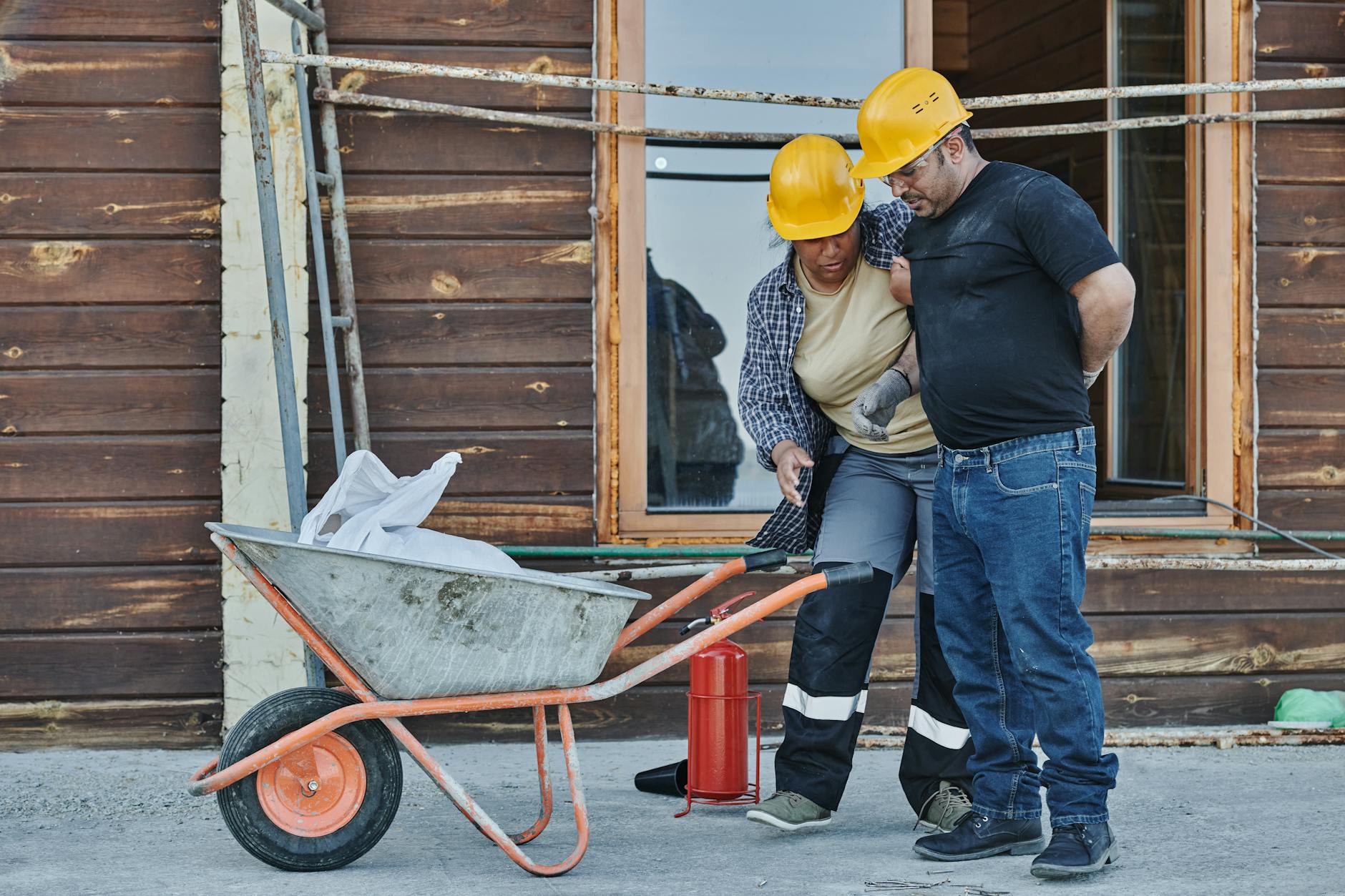
In the construction industry, having well-structured safety protocols is crucial for ensuring the safety of your workers and the progress of the project. At the heart of Geelong, with sites like the GMHBA Stadium, safety is not just a routine checkbox but a fundamental part of every successful project. When everyone knows their role in maintaining safety, workplace incidents tend to decrease significantly. In cases where hazardous materials like asbestos are discovered, consulting with asbestos lawyers becomes essential to navigate legal responsibilities and protect both workers and stakeholders.
Protecting Employee Well-Being
Prioritising the well-being of employees should be at the forefront of every construction project. Workers must be equipped with personal protective gear and trained to handle any equipment safely. Providing them with easy access to workers comp lawyers ensures quick and appropriate action for any on-site injuries.
Reducing Workplace Accidents
Implementing rigorous safety checks can vastly reduce the number of workplace accidents. This involves:
-
Conducting daily tool and machinery inspections.
-
Setting up regular safety drills.
Fewer accidents mean fewer interactions with personal injury lawyers Melbourne for avoidable incidents.
Improving Workplace Morale
An essential yet often overlooked benefit of safety protocols is the boost to workplace morale. A safe work environment shows workers they are valued, which fosters loyalty and productivity. This improved morale tends to result in fewer claims requiring legal guidance.
Equipping your team with clear safety protocols doesn't merely prevent accidents but also empowers your workforce, creating a cohesive team prepared for the challenges of construction projects in areas like the Northern Suburbs of Geelong.
Compliance with Australian Laws
Navigating Occupational Health Standards
Occupational health standards in Australia are not just regulations but guidelines that ensure the well-being of every worker. Familiarity with workers compensation VIC is essential, as it delves into the entitlements of employees injured at work. As a construction safety consultant in Geelong, I've seen how well-executed safety procedures can keep projects running smoothly at sites like the Geelong Waterfront precinct. Adhering to these standards requires a thorough understanding of national and local regulations, thereby safeguarding both employees and the business from potential legal issues.
Understanding Workcover Obligations
In Victoria, Workcover obligations encompass comprehensive support for injured employees, including medical expenses and rehabilitation services. It's crucial for both employers and workers to grasp how these obligations affect their roles, especially in cases involving vehicle-related incidents. A clear understanding protects you from hefty financial liabilities and ensures that support is readily available if incidents occur. For individuals like Ethan, navigating these details might be daunting at first, but seeking professional advice from experts such as car accident lawyers Melbourne can offer valuable guidance, helping you understand your rights and responsibilities within the broader context of workplace and traffic-related claims.
Managing Safety Documentation
Document management is vital in maintaining compliance with OHS regulations. Proper documentation plays a significant role in any audit or inspection. Essential documents include incident reports, safety protocols, and equipment maintenance logs. Ensuring these documents are up-to-date can prevent unforeseen legal complications and streamline safety operations on construction sites, such as those in the Northern Suburbs. Just like any other industry, knowing the ins and outs of safety documentation is integral to maintaining a secure and compliant work environment.
Legal Ramifications of Non-Compliance
Understanding the legal ramifications of not adhering to safety protocols in construction is vital. A key consequence can be potential fines and penalties, which vary based on the severity of non-compliance. These financial repercussions may not only strain resources but also affect ongoing "construction projects in the Northern Suburbs," disrupting timelines due to legal proceedings.
When considering the impact on business reputation, it's essential to recognise that maintaining a safety-first approach builds trust not only with stakeholders but also within the Geelong community. Investors and clients gravitate towards businesses renowned for their commitment to safety, recognising the potential reputational damage that follows any safety oversight.
Case studies on legal consequences shed light on the stark realities businesses may face. A noteworthy case involved a firm in Melbourne that had to engage workers compensation lawyers melbourne due to insufficient safety measures, which led to an unfortunate accident and subsequent legal action. This not only incurred financial costs but also impacted team morale, leading to increased turnover rates.
Engaging a workcover lawyer can help businesses navigate these complex legal landscapes and safeguard against costly errors. By integrating thorough safety protocols and regularly updating safety procedures, construction firms can mitigate these risks, ensuring compliance and fostering a culture of safety that prioritises worker well-being.
Safety Protocol Implementation
Conducting Risk Assessments
Understanding the critical role of conducting regular risk assessments can prevent potential pitfalls in workplace safety. As a seasoned construction safety consultant, I always start by crafting an exhaustive checklist to identify hazards and assess their potential impact. The aim here is to prioritize which risks to mitigate first. This method echoes the planning needed in any significant project around places like the Northern Suburbs, where safety management is just as crucial.
Employee Safety Training Programs
The implementation of thorough employee safety training programs is another vital step. These sessions should not be mere formalities but should evolve into interactive lessons where workers are encouraged to engage with realistic scenarios. Imagine organising a training module that mirrors a day's work at a bustling site like the Geelong Waterfront precinct. Tailoring these programs to reflect the unique needs of each work environment helps ensure that safety protocols become second nature to the teams.
Regular Safety Audits
Regular safety audits are your ongoing checkpoints, ensuring that the established safety practices align with the current site conditions. A diligent audit identifies any deviations from the expected norms, allowing immediate corrective action. Using insights from industry experts, such as workcover lawyers or tac lawyers, can offer additional guidance on how to align audits with compliance laws. These consistent reviews secure a safe work environment and maintain compliance with regulations.
Common Pitfalls in Safety Management
Overlooking Near-Miss Events
Understanding the significance of near-miss incidents is crucial in the construction domain, especially if you're involved with bustling projects like those at the Geelong Waterfront precinct or the GMHBA Stadium. These occurrences are precursors to potential hazards, and ignoring them can jeopardize future safety outcomes. The key is to foster a culture where workers can report these events without fear of repercussions. This proactive approach helps in identifying potential risk areas and allows us to implement corrective actions effectively.
Inconsistent Protocol Application
When it comes to the nuts and bolts of safety protocols, consistency is king. Inconsistent enforcement can lead to confusion and apathy among workers, diluting the effectiveness of safety measures. Make it a point to ensure your crew members follow the same safety steps every time, whether you're working in construction projects in the Northern Suburbs or any other location. Regular safety meetings and reinforcing training programs are beneficial in maintaining this consistency. The goal is to have everyone on the same page, working in harmony to manage risk and ensure compliance with workers compensation lawyers.
Neglecting to Revise Safety Measures
Lastly, the construction landscape is dynamic. Failing to update safety procedures to reflect new technologies, regulations, or site-specific conditions can lead to avoidable incidents. Periodically reviewing and revising your safety protocols ensures they remain relevant and robust. This living document approach will arm your team with the most current safety strategies, thus empowering them to tackle challenges more effectively when they arise. Building this habit could significantly enhance the well-being of your workforce and safeguard against legal ramifications.